The Problem
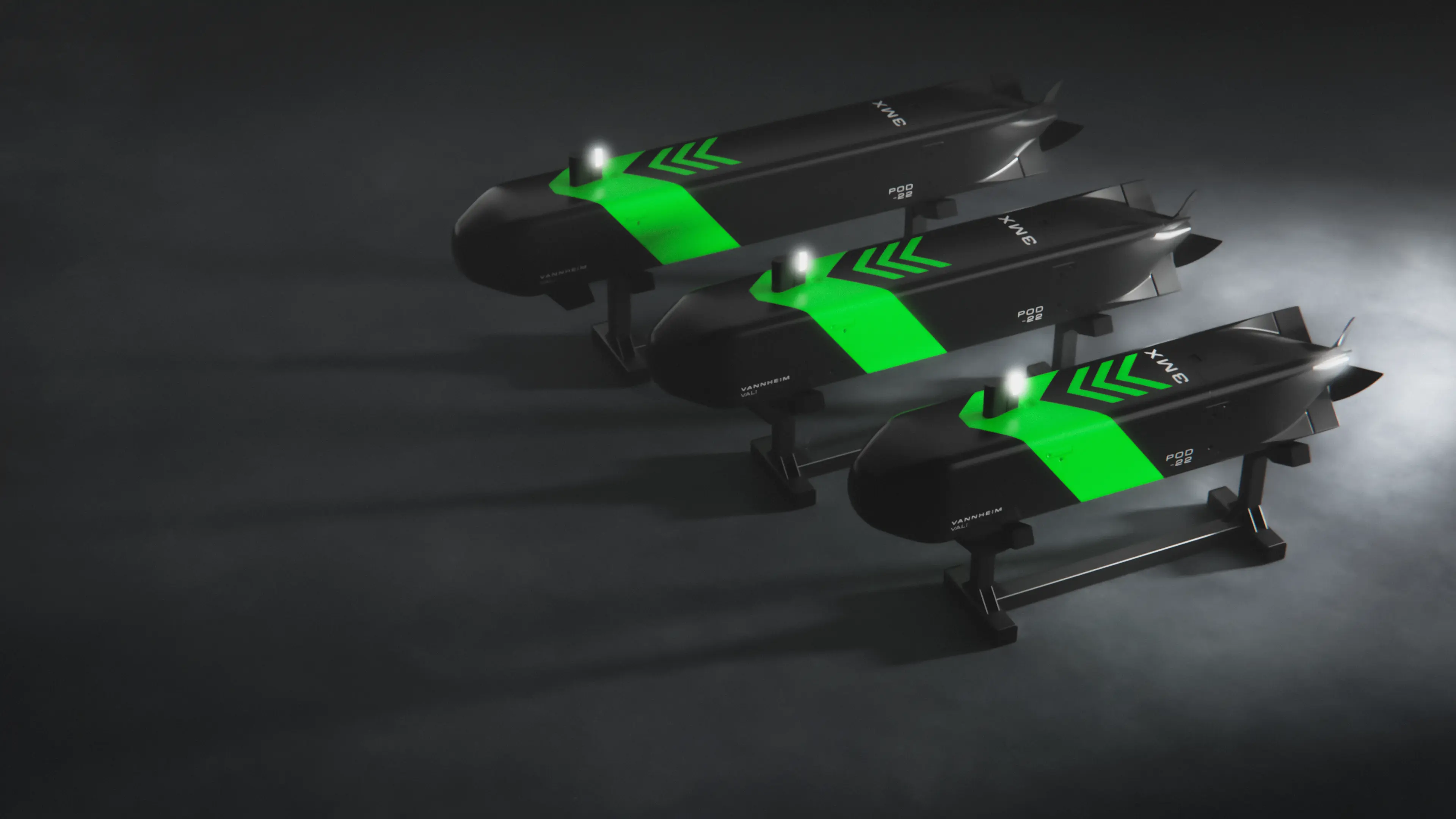
America’s ports areflying blind underwater.
Trillions of dollars in commerce. Nearly zero visibility beneath the waterline. Monitoring today depends on manned surveys, aging sonar, and no coordinated picture of what’s on the seafloor.
The gap isn’t capability. It’s infrastructure.
We're building a different answer.
The Solution
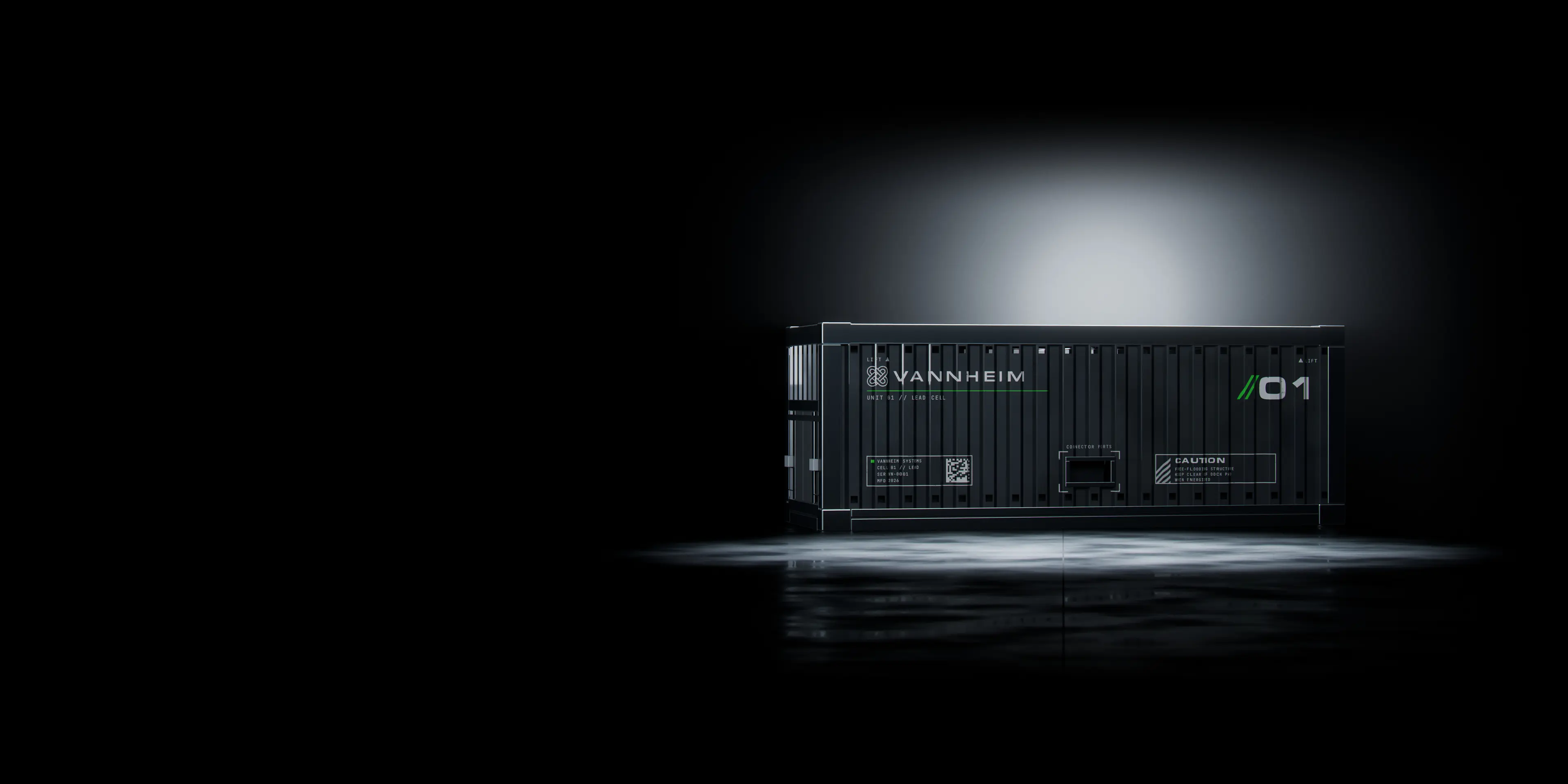
Data-center computeat the subsea edge.
A containerized node on the seafloor of the port it protects. It houses and recharges its own AUVs and processes every survey on site, so operators see what changed, not raw data.
- Survey
- Resident AUVs re-survey the seafloor every day.
- Watch
- Vessel traffic and intrusions, flagged as they happen.
- Host
- Other OEMs’ sensors plug into its power and data.
How It Works
Deploy. Survey.Return. Repeat.
Emplace
Node deployed to the seafloor.
Launch
AUV departs autonomously.
Return & Dock
Acoustic homing. Magnetic docking.
Recharge & Offload
Power restored. Data transferred.
Redeploy
Cycle repeats. No crew required.
Markets
Built for the missionsthat can’t wait.
Port & Harbor Security
Persistent surveillance of port approaches and vessel traffic corridors.
Infrastructure Monitoring
Baseline surveys and recurring change detection for pipelines and cables.
Defense & Maritime Awareness
Hands-off persistent presence where surface vessels are a liability.
Disaster Response
Rapid post-event surveys to accelerate port reopening.